Japan-based Mawari Network is working with Hacken as a comprehensive security partner across multiple layers of its decentralized infrastructure. The collaboration reflects Hacken’s continued engagement with the Japanese digital ecosystem.
Our latest client, Mawari Network is building the Immersive Compute Network - a decentralized infrastructure layer for AI-driven XR experiences. Workloads - rendering, inference, storage - are distributed across edge nodes and cloud, keeping latency minimal and experiences seamless.
As the network scales its on-chain coordination mechanisms and global node infrastructure, Mawari partnered with Hacken as a comprehensive security and assurance provider.
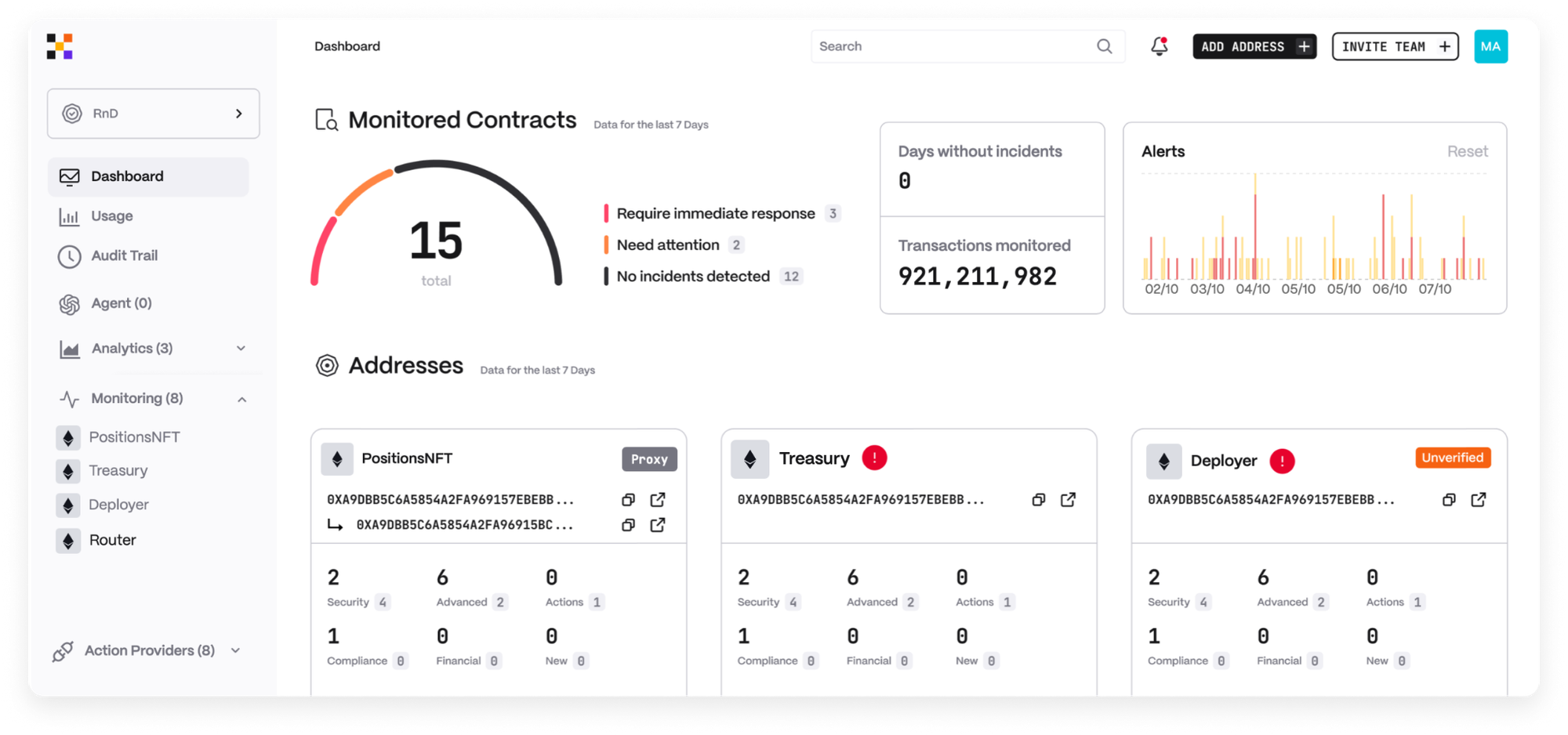
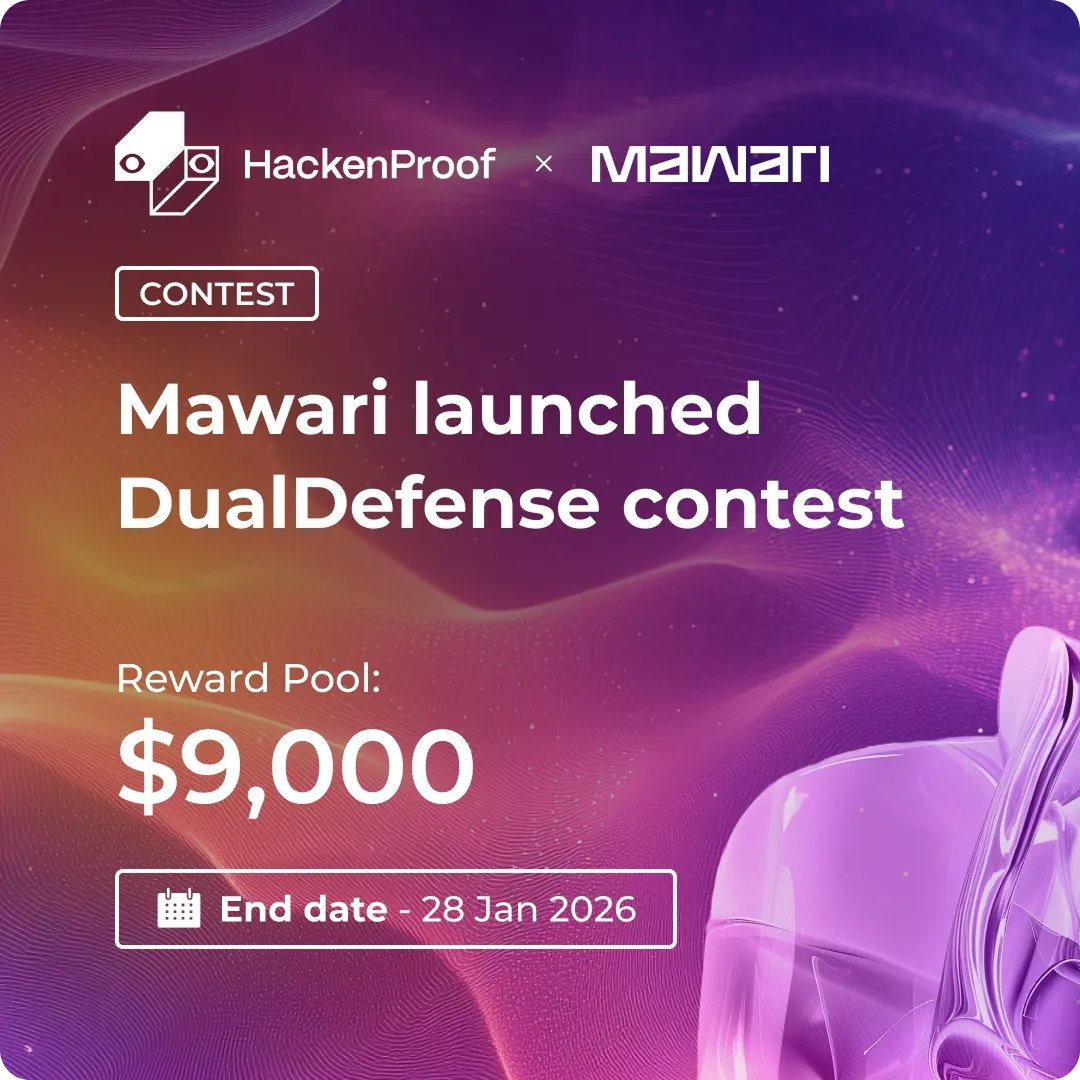
Through a combination of smart contract audits, continuous threat monitoring with Extractor, and DualDefense crowdsourced security reviews, Hacken supports Mawari’s security, observability, and operational readiness across multiple layers of its decentralized infrastructure.
About Mawari Network
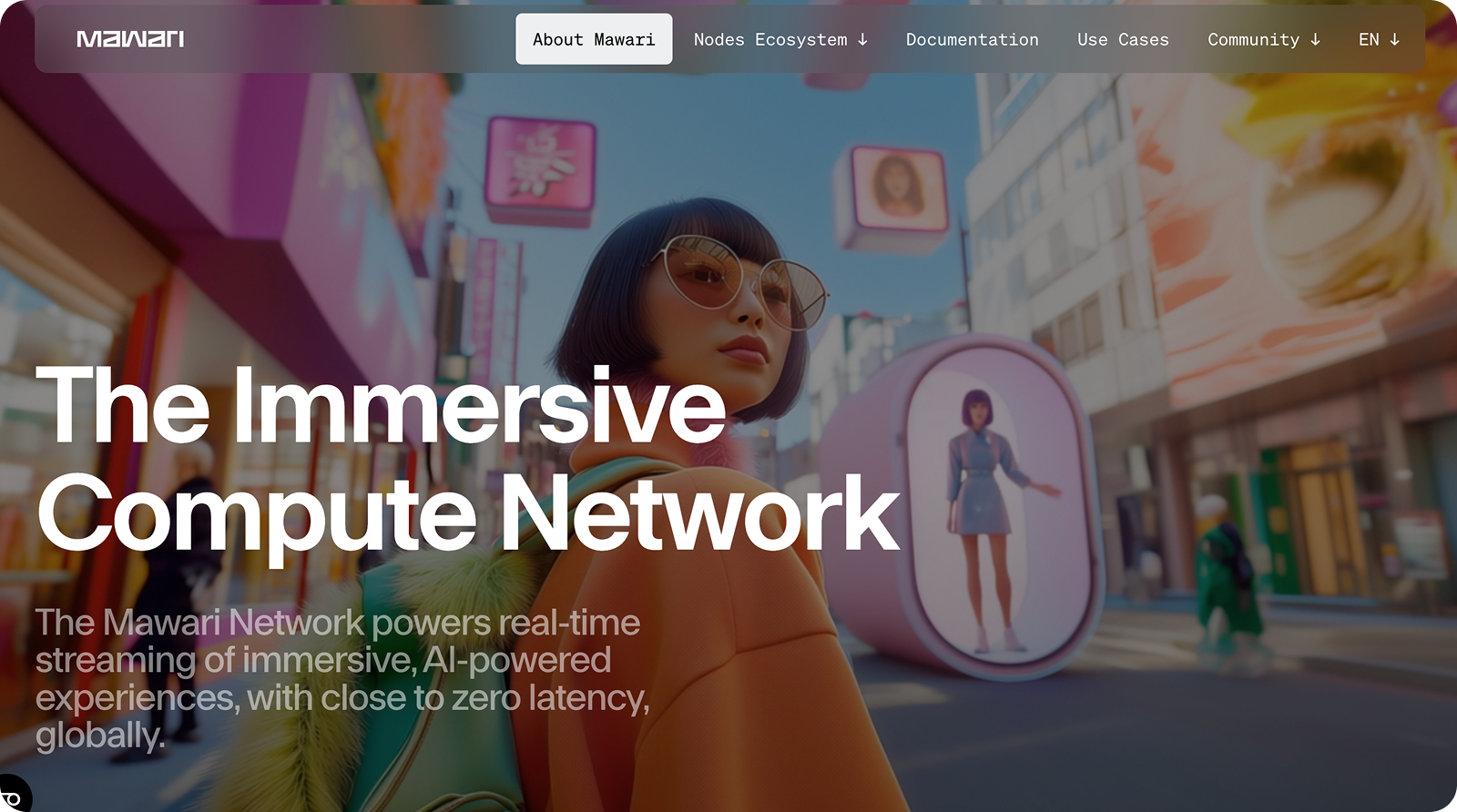
Positioned as the Immersive Compute Network, Mawari powers real-time streaming of AI-powered immersive content with minimal latency on a global scale. The network enables highly interactive, context-aware digital experiences by orchestrating compute, storage, and bandwidth resources close to end users—bridging physical and digital worlds in real time.
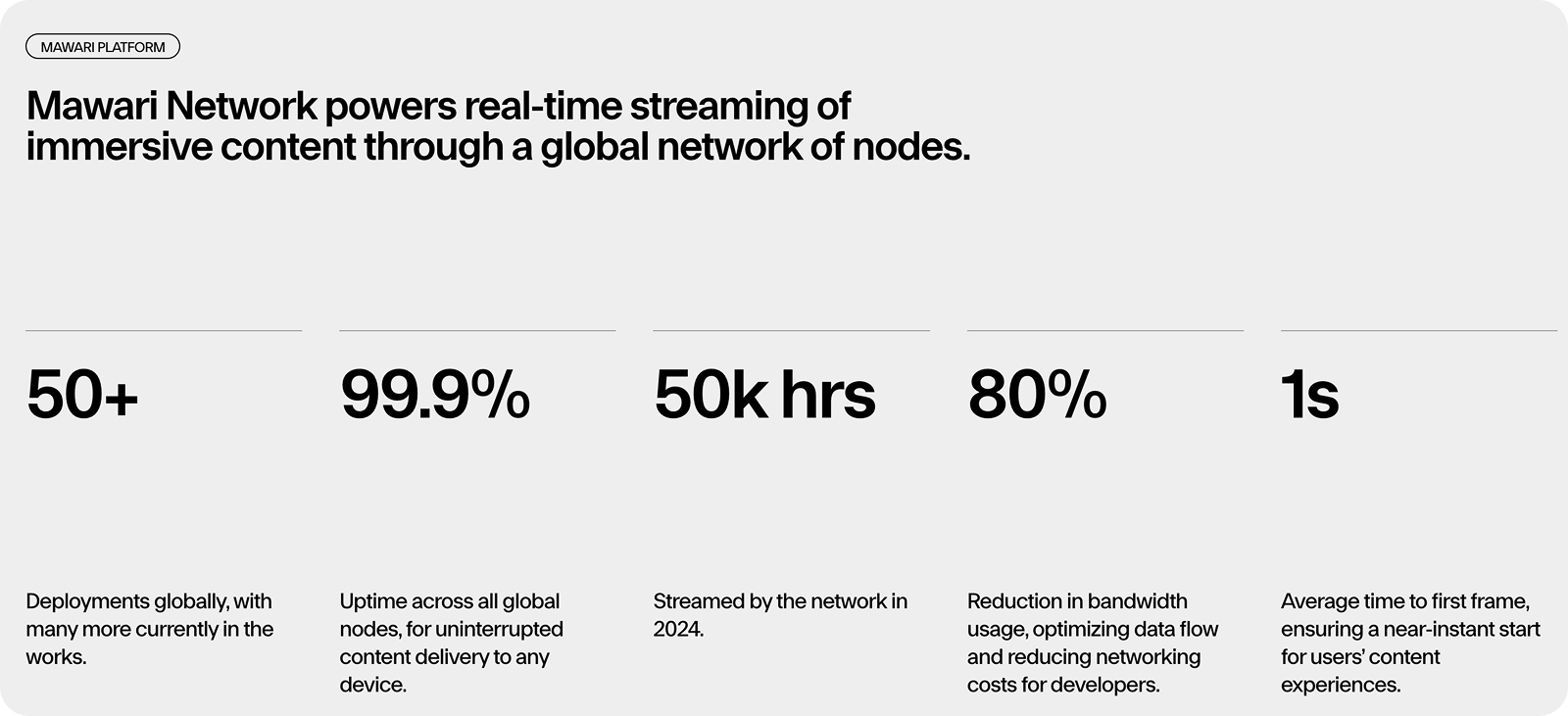
Operating at the intersection of immersive media, AI, and Web3 infrastructure, Mawari is building a decentralized network built on patented 3D streaming technology, where rewards, licensing, and governance are managed fully on-chain.
The Challenge
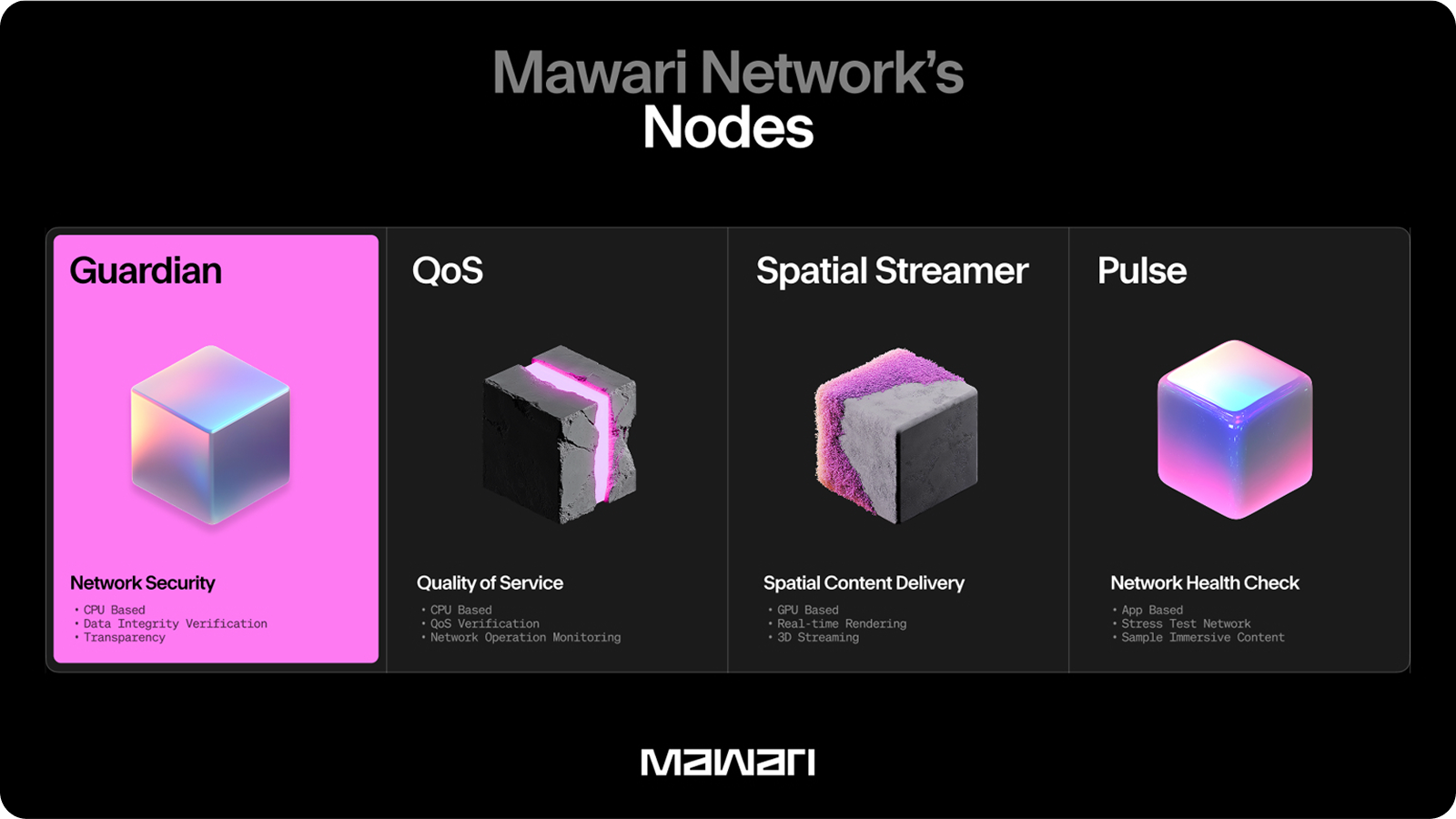
Mawari’s network is designed to support real-time, AI-powered immersive experiences, where performance, correctness, and availability are tightly interconnected. In this environment, smart contracts act as core control logic, coordinating incentives, licensing, governance, and node participation across a globally distributed infrastructure.
Because smart contracts execute immutably and autonomously, any unintended behavior, vulnerability, or misconfiguration can directly impact network incentives, governance decisions, and operational stability. In an industry where over $512 million was lost to smart contract vulnerabilities in 2025, the correctness and resilience of on-chain logic are critical, particularly for decentralized infrastructures operating at scale.
The challenge is amplified by Mawari’s architecture, where:
- The Mawari Engine dynamically orchestrates compute, storage, and bandwidth across distributed nodes.
- Reward distribution and licensing must operate predictably under real-time conditions.
- Continuous visibility into token flows and reward-related contract behavior is required to ensure incentives operate as intended.
- Real-time detection of privileged administrative and governance actions is critical.
- Additional post-audit assurance is needed to confirm that smart contracts contain no hidden or previously undetected vulnerabilities
As Mawari continued to develop its architecture, the security surface area grew alongside development velocity. Working with Hacken, Mawari adopted an approach to continuous monitoring that could scale with development and minimize operational overhead.
The Solution: A Multi-Layer Security Engagement With Hacken
In December 2025, Hacken conducted multiple smart contract audits for Mawari, covering vesting contracts, on-chain licensing, and guardian staking mechanisms. These audits strengthened the security of Mawari’s token distribution, licensing, and staking logic, establishing a robust foundation for production deployment. As the protocol continues to evolve, additional contracts are undergoing audit to extend this security coverage.